Committees
Research Committee
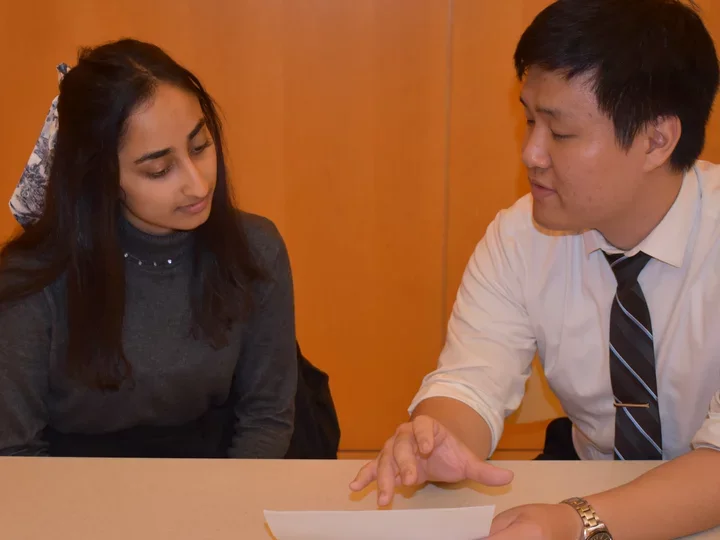
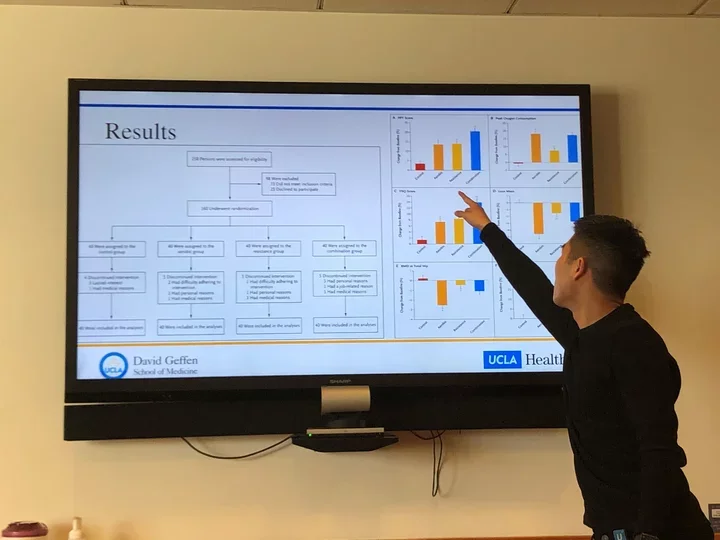
The purpose of the Research Committee is to provide EMRAs the opportunity to understand how clinical research studies are designed and how clinical research influences medicine and public health. The Research Committee is designed to provide committee members with an educational space to read, interpret, and present papers from recent literature during journal clubs (JCs). EMRA also offers projects that members can participate in for poster presentations and publications. Through active engagement, members gain familiarity with a variety of clinical conditions, recognize how clinical data is generated and analyzed, and learn to critically evaluate the strengths and limitations of various clinical trials. Ultimately, the Research Committee’s goal is to foster an opportunity for members to explore different facets of the healthcare setting, share common interests, learn from one another, and become more cognizant of cutting-edge advances in the medical field.
Mentorship Committee
The Mentorship committee aims to build intergenerational connections between both current and future healthcare practitioners by pairing EMRAs one-on-one with current emergency department residents and medical students. With a particular focus on the clinical practice and patient interaction aspects of emergency medicine, the mentorship committee strives towards the building of such connections through guided shadowing opportunities, increased interpersonal interactions, and invaluable mentorship regarding the pathway to medicine. Past workshops organized by EMRAs include: Women in Medicine, Issues Every Premed Should Know About, Premed 101, MCAT/AMCAS workshops, mock interviews, Healthcare Professionals in the Emergency Department, and more.
New Member Training Committee
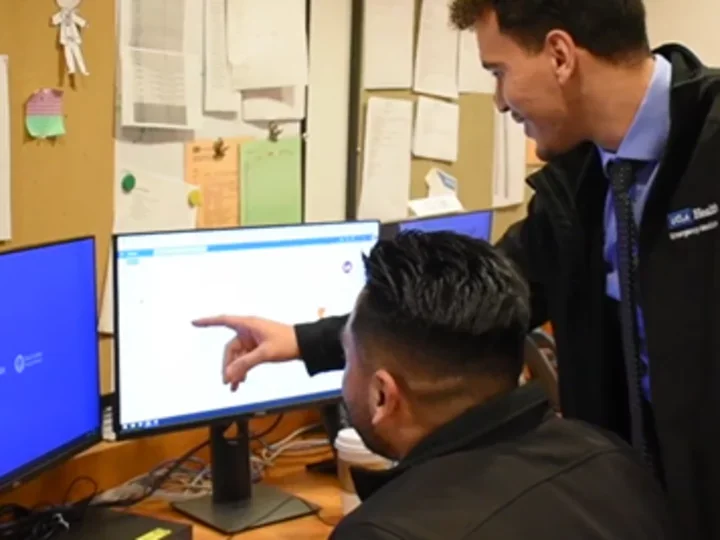
The New Member Training Committee aims to equip incoming cohorts of EMRAs with the knowledge and skills necessary for independent shifts. Participation involves regular weekly meetings during training season to standardize the training process and discuss new member progress. Training is structured to not only build understanding of clinical research concepts, study backgrounds, and workflow steps, but also to foster critical thinking for flexible decision making in unpredictable situations. By the end of the training cycle, trainees are competent in executing shift duties and have developed a soft skill set to excel in the nuances of working in the emergency department.
Education Committee
The Education Committee in EMRA aims to educate members and UCLA students about the emergency department and inform about medicine, science, and clinical research. More specifically, the committee has organized speaker panels that educate UCLA students about the connection between emergency medicine, surgery, and biotechnology, and members play an active role in organizing events. Additionally, the committee helps to create education modules that help to contextualize our studies to EMRAs.
Health Literacy and Outreach Committee
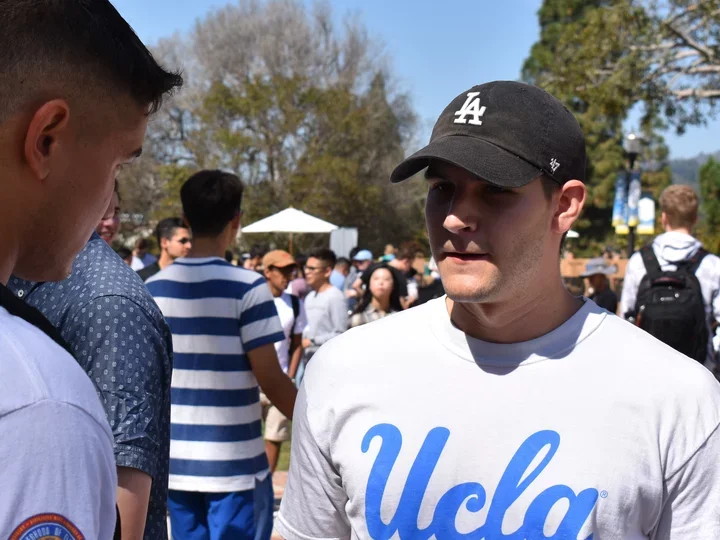
The Health Literacy and Outreach (HLO) committee in EMRA plays a vital and multifaceted role within the organization, working diligently to maintain a robust social media presence across platforms like Instagram, YouTube, and the EMRA website. In addition to promoting program opportunities, events, and resources, committee members take on the responsibility of spearheading student-initiated projects, such as EMRA’s health literacy initiative. Beyond communications, HLO members also lead student-driven initiatives that expand health literacy and community engagement. Recent projects have included EMRA’s health literacy initiative, outreach to Midnight Mission residents, and educational programming for elementary and high school students.